
Ever felt that electric surge of pure, unadulterated adrenaline? That insatiable craving for something… more? You’re not alone. More and more people are trading mundane routines for experiences that test their limits, push their boundaries, and leave them feeling utterly exhilarated. This isn’t just about seeking a thrill; it’s about confronting fear head-on, discovering hidden strengths, and forging unforgettable memories.
The world of high-thrill adventures is vast and varied, offering everything from heart-stopping leaps to mind-bending challenges. But navigating this landscape requires more than just courage; it demands knowledge, preparation, and a healthy dose of respect for the inherent risks. These adventures offer a unique blend of the physical and the mental. You need to be strong, sure, but also strategic and smart.
That’s where we come in. We’re here to be your expert guide, cutting through the noise and providing you with the insights you need to chase your adrenaline dreams responsibly and successfully. Buckle up, because the ride is about to get intense!
Defining “High Thrill”: What Sets It Apart
The term “high thrill” extends beyond simple excitement; it’s a potent mix of risk, skill, and a controlled environment that ignites a unique physiological and psychological response. It’s not just about danger; it’s about confronting perceived danger with competence and emerging victorious.
Consider the differences: riding a rollercoaster versus driving recklessly. The rollercoaster provides a controlled rush, meticulously engineered for safety while delivering the sensation of danger. Reckless driving, on the other hand, lacks this control, transforming potential thrill into genuine hazard. The core elements of a high-thrill experience include perceived risk, physical exertion that tests limits, intense mental focus to navigate challenges, and a degree of personal control over the situation. These elements combine to create an immersive experience that pushes boundaries and generates a powerful sense of accomplishment.
Different adventure categories cater to varying levels of thrill-seeking. Activities like rock climbing, white-water rafting, and skydiving offer a tangible sense of risk and require significant skill. Others, like high-speed racing or advanced skiing, demand precision and control at the edge of capability. The common thread is that each provides a framework to test limits and experience the potent reward of controlled risk.
The Psychology of Thrill: Understanding the Appeal
The allure of high-thrill activities lies deep within our neurochemistry and psychology. When we engage in these experiences, our brains flood with dopamine, a neurotransmitter associated with pleasure and reward. This surge creates a feeling of intense satisfaction and reinforces the desire to repeat the experience. The adrenaline rush further enhances the sensation, heightening awareness and sharpening focus.
Beyond the chemical reactions, managing fear is a critical aspect of the thrill. Confronting and overcoming a perceived threat generates a powerful sense of accomplishment and mastery. It proves your capabilities and builds your confidence. This feeling is amplified by the endorphin production which occurs during physical exertion, resulting in a sense of well-being and euphoria. The psychology of the thrill combines the management of fear, the achievement of the goal, and the physical effort to create a unique feeling worth seeking.
Factors Influencing Thrill Perception
Thrill perception is a complex interplay of genetics, environment, and individual experiences. Some people may be genetically predisposed to seek higher levels of stimulation, leading them to perceive activities as thrilling that others find terrifying. For example, variations in genes related to dopamine production and reception can influence how individuals experience pleasure and reward, potentially driving them towards thrill-seeking behaviors. Environment also plays a crucial role; upbringing and cultural norms can shape an individual’s perception of risk and excitement. Prior experiences, whether positive or negative, further calibrate our thrill threshold, affecting risk assessment and subsequent decisions.
Risk Assessment
The quality of risk assessment directly impacts the thrill experienced. A well-considered risk assessment, balancing rational and emotional thinking, allows individuals to engage with potentially dangerous situations while minimizing actual harm. This enhances the thrill, as the individual feels in control despite the inherent danger. Conversely, a poor risk assessment, driven by impulsivity or a lack of awareness, can lead to negative consequences, diminishing the enjoyment and potentially creating a fear of similar activities in the future. The sweet spot for thrill lies in the perceived mastery of risk, not its reckless embrace.

Top Picks for High-Thrill Adventures
Craving that electrifying surge of adrenaline? You’re not alone! Many people seek out experiences that push their limits and create lasting memories. The world is overflowing with high-thrill activities, each offering a unique cocktail of challenge and reward. From conquering raging rapids to soaring through the open sky, the possibilities for adrenaline-fueled adventures are seemingly endless. What follows is a carefully curated list of top picks, categorized by type, designed to ignite your adventurous spirit and perhaps, inspire your next exhilarating escapade. Remember, though, that controlled thrill is key. These activities demand respect, preparation, and often, expert guidance.
Water Adventures
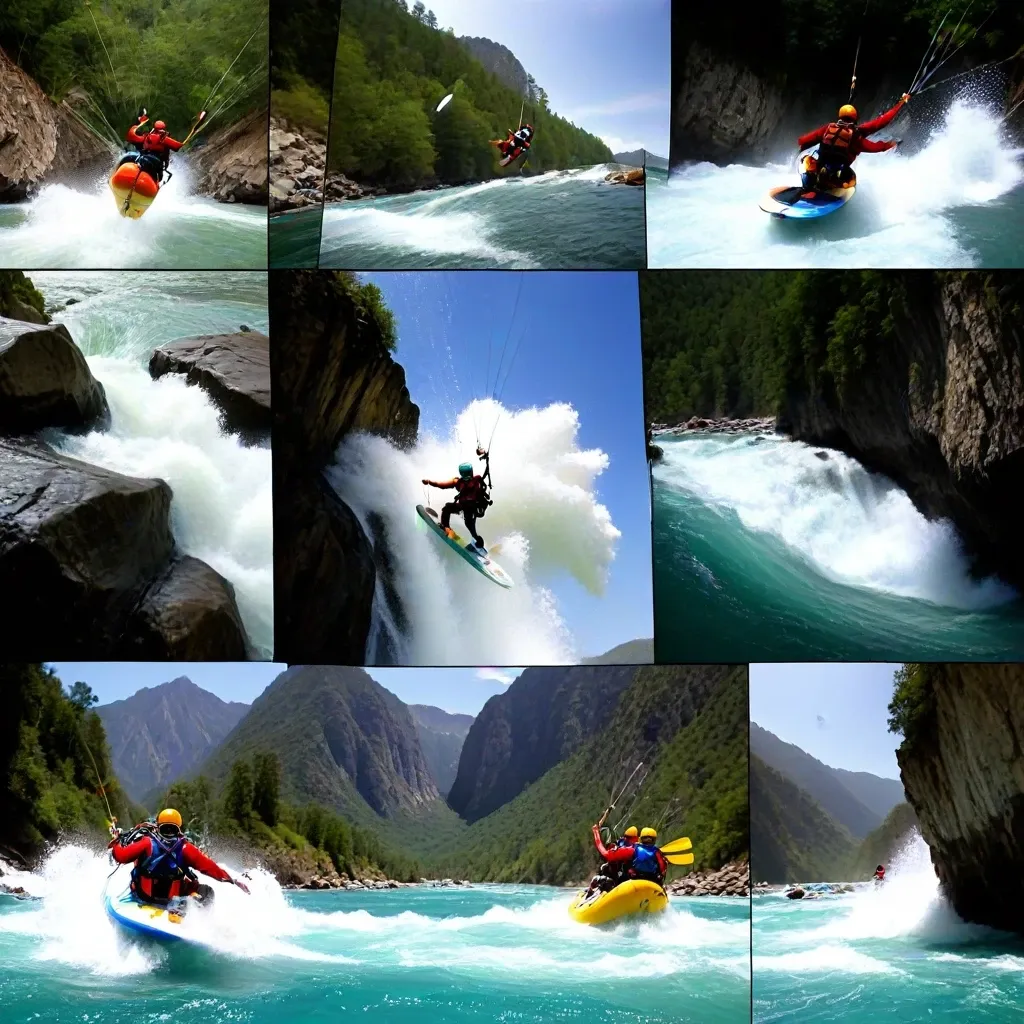
Water can be both a calming and a truly formidable force. For those seeking aquatic thrills, several options stand out. White water rafting immediately springs to mind, envision yourself navigating churning currents, the roar of the river in your ears, as paddle furiously with your team. The challenge lies in teamwork and quick decision-making, while the reward is an unparalleled sense of camaraderie and conquering nature’s raw power. Kite surfing is another fantastic option. Imagine harnessing the wind’s energy to glide across the water, performing aerial tricks with grace and precision. Cliff diving is definitely not for the faint of heart, but jumping, for example, from 40-foot cliff into crystal-clear water provides an unparalleled rush of pure, unadulterated terror and triumph. Risks are inherent in all these activities, and proper training and safety precautions must be adhered to.
Land Adventures
The earth beneath our feet offers a different breed of thrill, one rooted in physical endurance and mental fortitude. Mountain biking is an excellent example. Picture yourself hurtling down rugged trails, navigating steep inclines, and feeling the satisfying burn in your muscles. The reward is not just the physical challenge but also the breathtaking views and the sense of freedom. Rock climbing presents a more vertical challenge, demanding strength, technique, and unwavering focus. Free falling, on the other hand, is about embracing the void, such as jumping into a canyon with professional equipment. The adrenaline surge is intense, but the feeling of accomplishment after completing a challenging route is hard to beat. Again, each of these activities carries inherent risks, and proper training, equipment, and respect for the environment are crucial.
Air Adventures
For the ultimate adrenaline rush, look to the skies. Skydiving is perhaps the most iconic air adventure, involving leaping from a perfectly good airplane and experiencing the sensation of freefall before deploying a parachute. Base jumping is even more extreme, involving jumps from fixed objects. Paragliding offers a more serene, yet equally thrilling, experience, allowing you to soar through the air like a bird, taking in breathtaking panoramic views. The challenge lies in mastering the art of controlling your glider and navigating the air currents, while the reward is an unforgettable sense of freedom and perspective. These air-based activities demand the utmost respect and adherence to safety protocols. Professional instruction and certified equipment are non-negotiable.
Safety First: Mitigating Risks in High-Thrill Activities
High-thrill activities offer unparalleled excitement, but prioritizing safety is non-negotiable. Risk mitigation begins with a comprehensive understanding of potential hazards. Before embarking on any adventure, meticulously assess the risks involved, considering factors like weather conditions, terrain challenges, and your own physical and mental preparedness. Choosing the right safety equipment is also essential. Investing in high-quality gear, such as helmets, harnesses, and appropriate footwear, can significantly reduce the risk of injury. Before each use, ensure equipment is in perfect condition. Familiarize yourself with its proper operation.
Seeking professional guidance is a cornerstone of adventure safety. Certified instructors and experienced guides offer invaluable knowledge and skills. They can provide essential training, assess your abilities, and guide you through challenging situations. Moreover, thorough gear checks and understanding emergency protocols are crucial layers of protection. Learning basic first aid and carrying a well-stocked kit empowers you to handle minor injuries effectively. Communicate your planned route and expected return time to someone reliable.
Responsible participation means respecting the environment and followingLeave No Trace principles. Protecting natural habitats ensures the safety of both adventurers and the delicate ecosystems they explore. Many resources are available to help you find certified instructors and reputable adventure providers. Online directories and professional organizations connect you with qualified professionals who prioritize safety. Additionally, consider joining adventure communities and forums to share experiences and learn from others.
Finding a Certified Instructor
Certified instructors plays a crucial role in ensuring safety. They provide the skills and expertise necessary to manage the risks involved in high-thrill activities, which makes them really valuable. These professionals offer structured training programs, personalized guidance, and crucial insights.
Beyond the Physical: The Mental Game of High Thrill
High-thrill activities are not solely about physical prowess; they are deeply intertwined with the mind’s ability to prepare, focus, and remain resilient. The psychological aspects of these experiences are crucial in navigating challenges and effectively managing fear. Mastering mental skills can significantly enhance performance and overall enjoyment. It transforms daunting situations into exhilarating triumphs.
Think of a climber scaling a sheer cliff face. Their physical strength is undeniable, but their mental fortitude is what truly determines their success. They must visualize each move, maintain unwavering focus despite the dizzying heights, and possess the resilience to push through moments of doubt or fatigue. Similarly, a race car driver relies on mental preparation to anticipate turns, manage the adrenaline surge, and maintain composure under intense pressure. Mental preparedness isn’t just an advantage; it’s the bedrock upon which physical skill is amplified.
Improving focus involves minimizing distractions and cultivating a state of present-moment awareness. Techniques such as meditation and visualization can be invaluable tools. Fear management, on the other hand, involves acknowledging and understanding the source of fear, then developing strategies to mitigate its impact. This could involve breaking down a challenging task into smaller, more manageable steps or practicing relaxation techniques to calm the nervous system. Remember, the mind is a powerful ally, and cultivating its strength is as essential as honing any physical skill.
Mindset
Mindset is everything. It separates those who merely dream of high-thrill adventures from those who actively pursue them. It’s the lens through which we perceive challenges, and a positive, proactive mindset can transform obstacles into opportunities for growth. Crucially, mindset isn’t fixed; it’s a skill that can be cultivated and refined. If you’re feeling apprehensive about an upcoming challenge, actively shift your perspective. Focus on past successes, visualize a positive outcome, and remind yourself of your ability to learn and adapt. This proactive approach can significantly impact your performance and overall experience, turning what might have been a source of anxiety into an unforgettable accomplishment.
Conclusion: Pushing Boundaries and Embracing the Adrenaline Rush
High-thrill activities offer a unique opportunity to push personal boundaries and experience the world in a more intense way. The surge of adrenaline can sharpen focus, boost confidence, and create lasting memories.
Adventure seeking, whether it’s scaling a rock face or diving into the deep sea, provides a chance to escape the ordinary and discover new capabilities. It is crucial to approach these experiences responsibly, with proper training, appropriate gear, and respect for the environment. Safety should never be compromised in the pursuit of adrenaline.
Embracing the thrill of adventure is about more than just the physical challenge; it’s about the mental resilience and personal growth that comes from overcoming fears and pushing limits. So, take the plunge, plan your next adventure, and discover the exhilarating world of responsible thrill-seeking!